Build Your Own Soil Observation Station: See What Your Soil Is Actually Doing
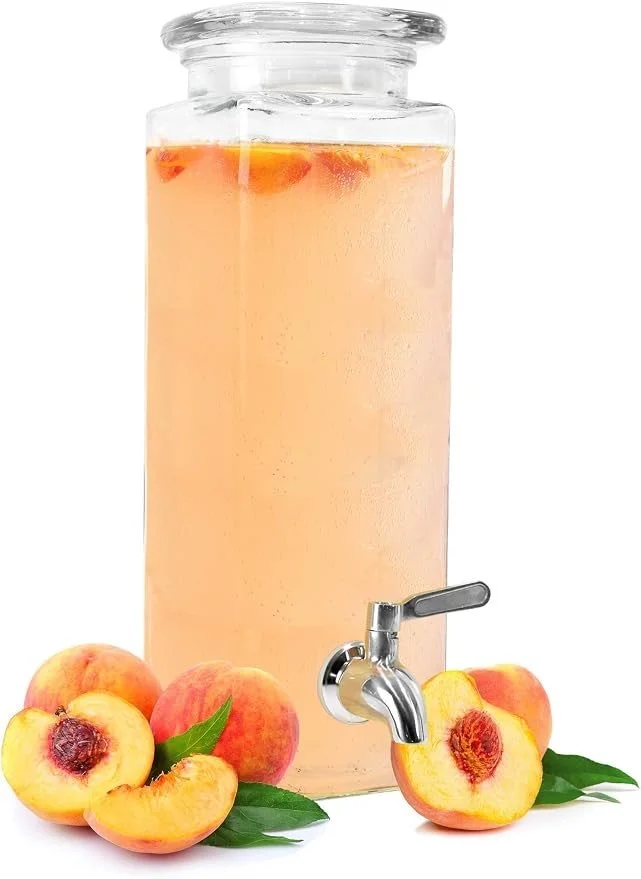
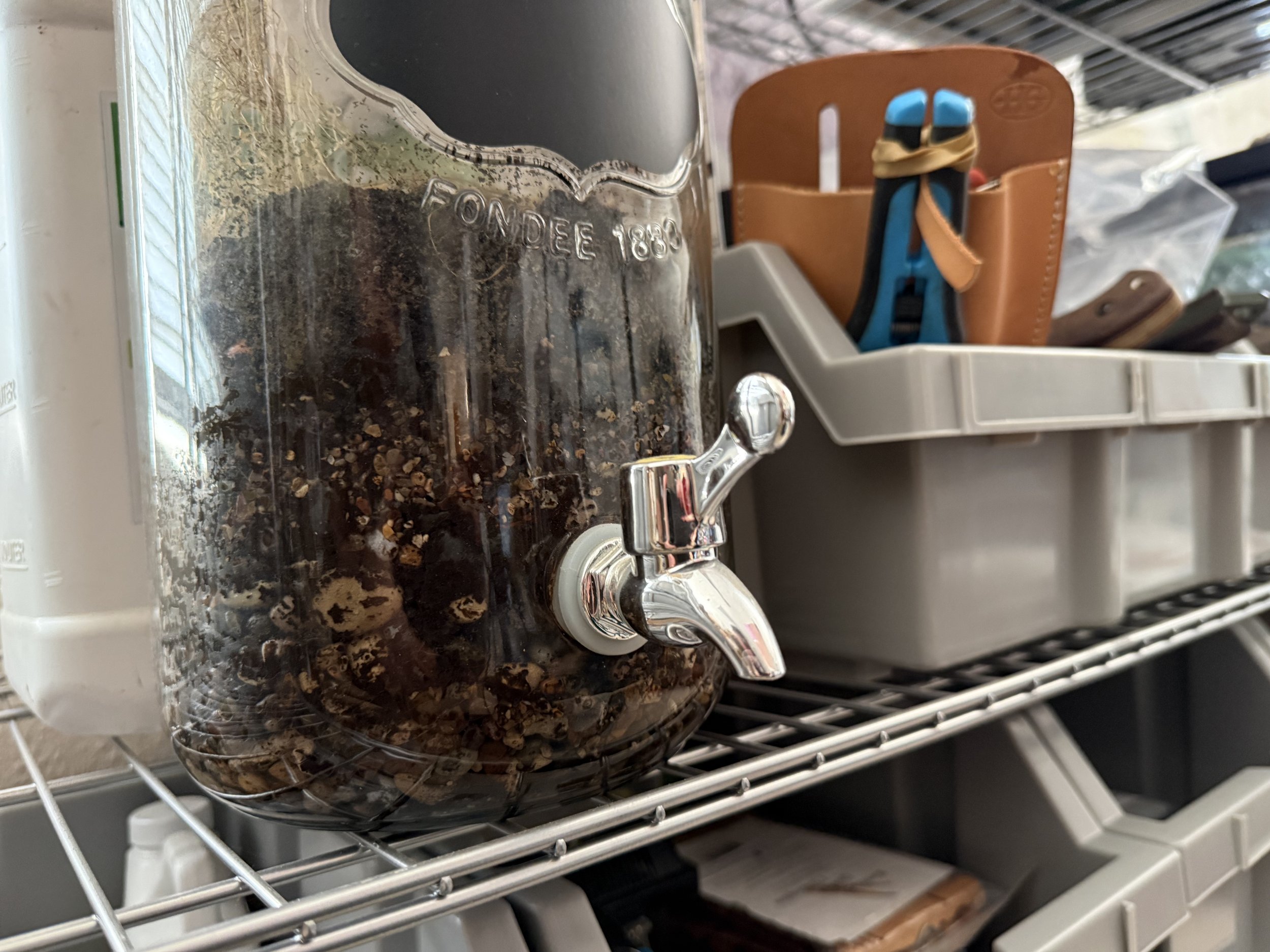
One of the challenges with soil is that most of the important stuff is taking place behind a wall—we can't see the structure, the air space, the water movement, or the biology interacting with the soil. A soil observation station gives us a way to make those processes visible. By building a small, transparent version of a soil profile, we can actually observe different soil horizons and watch what happens when we introduce water. A rain event isn't just about getting water onto the soil; it's about infiltration. How much water can move into the soil? How much can the soil hold? And what happens when that water can't move down? When infiltration is poor, water begins moving horizontally across the surface, taking soil with it and creating the muddy water we associate with erosion. In a healthy soil system, biology is helping create the structure. Microorganisms produce natural glues that bind soil particles together into aggregates, and those aggregates create the pore spaces that allow water and air to move through the soil. That's what we're able to see in the observation station. When we flood the system, we can watch the water displace the air and see gas exchange happening through the soil profile. Eventually, if all of those pore spaces fill with water and there is nowhere for the air to go, the system begins to drown. Soil needs to breathe.
What You Need for a Soil Observation Station
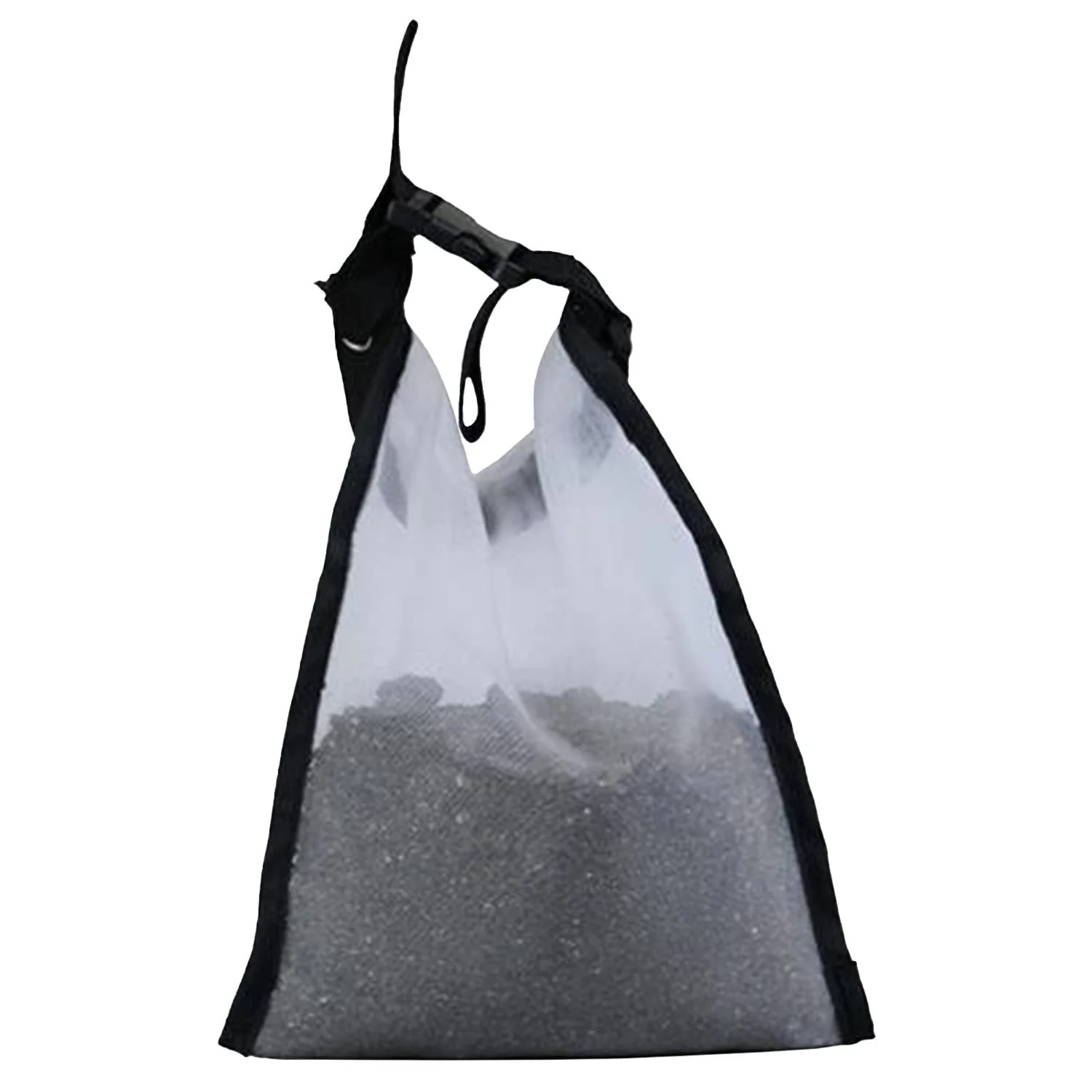
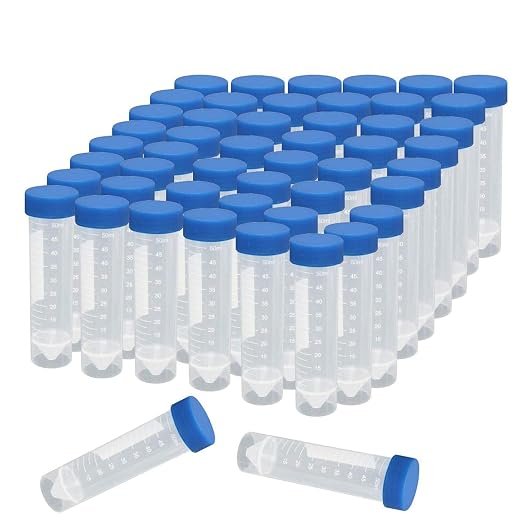
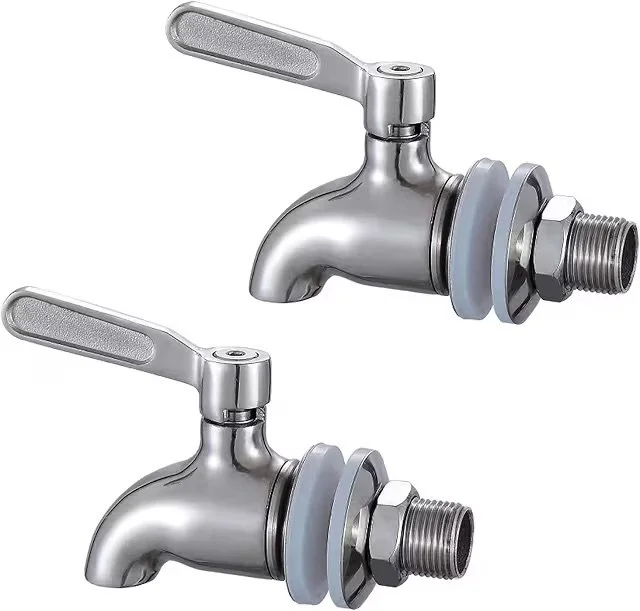
The beauty of this is that you don't need thousands of acres to start learning these principles. You can build a small observation station and use it right at home, in a garden, with houseplants, or as a teaching tool. The basic setup gives you a way to observe water infiltration, aggregation, air exchange, and biological activity—and then connect what you're seeing at this small scale to what's happening across a field. When we open the valve and allow water to drain from the system, we're also able to collect an extract containing some of the soluble material moving through the soil. That water can have that characteristic humic brown color and can be examined under a microscope to see what biology is present. This is one of the reasons I love the soil observation station: it turns soil health from an idea into something you can actually see. We can observe the structure, watch the water move, see the air exchange, and then begin asking better questions about what is happening underneath our feet. The same principles apply whether you're looking at a pot of soil on your patio or a full-scale agricultural field. Soil CPR is about keeping that living system breathing, functioning, and supporting the complete soil food web. That's the difference between simply adding fertilizer and building fertility.